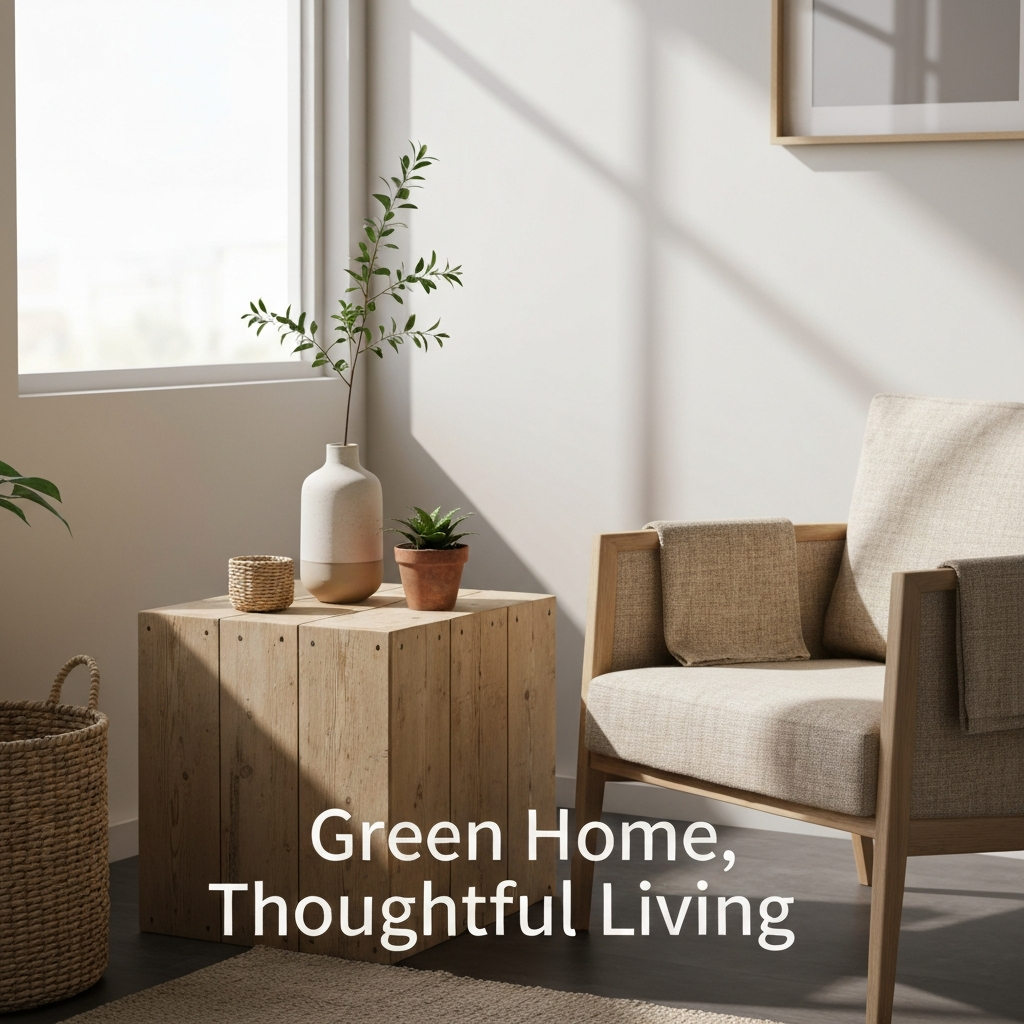
Are you looking to create a more sustainable, eco-friendly home but feel overwhelmed by endless lists of "green" ideas? You're not alone. Many guides offer inspiration but lack a clear, actionable process, leaving you wondering where to even begin. The truth is, embracing sustainable decor isn't about doing everything at once; it's about taking deliberate, impactful steps. It’s a philosophy that aligns perfectly with the latest interior design trends for 2025, where conscious consumption and earthy, natural elements take center stage.
This guide cuts through the noise. We've developed a definitive, 7-step framework designed to empower you. Forget the vague suggestions. Here, you'll find a practical, step-by-step process for transforming your space, focusing on easy, budget-friendly swaps, creative ways to make your existing decor sustainable, and smart choices for the long term. Let's build a beautiful, eco-friendly home together, one simple step at a time.
Step 1: Start Small with Easy Sustainable Swaps
The journey to a sustainable home doesn't require a complete overhaul overnight. The key is to begin with small, manageable changes. Understanding how to start sustainable home decor is about building momentum through quick wins that have a real impact. These are the easiest sustainable decor swaps you can make this week.
Getting Started with Sustainable Decor
For sustainable decor for beginners, focus on items with high turnover or energy consumption. These initial steps reduce waste and build the conscious mindset needed for bigger changes.
| Sustainable Swap | Replaces | Primary Benefit |
|---|---|---|
| LED Light Bulbs | Incandescent Bulbs | Uses 75-90% less energy, significantly lowering electricity consumption. |
| Soy or Beeswax Candles | Paraffin (Petroleum-Based) Candles | Made from renewable resources and burn cleaner. |
| Reusable Cloth Napkins | Disposable Paper Napkins | Reduces single-use paper waste and deforestation. |
| Houseplants | Artificial Decor | Adds natural aesthetic value and a connection to nature. (Note: Air purification effect is minimal in typical home settings). |
Finding Everyday Sustainable Products
Extend this mindset beyond decor. When you need cleaning supplies or home goods, seek out a local zero waste store or look for brands committed to sustainable living. This habit reinforces the principle of conscious consumption, making it a natural part of your lifestyle. Opting for sustainable products with minimal or compostable packaging is a powerful vote for the kind of market you want to support.
Step 2: Master the Art of Upcycling and Secondhand Finds
One of the most impactful ways to practice sustainability is to reduce demand for new products. This step is all about embracing the pre-loved and giving old items a new purpose, proving that sustainable decor on a budget is not only possible but also incredibly stylish and unique.
Budget-Friendly Decor & Upcycling
Thrift stores, flea markets, and online marketplaces are treasure troves for unique finds. Mastering secondhand home decor tips like knowing what to look for (solid wood, good "bones") can yield incredible results. But the real magic lies in upcycle home decor ideas. For instance, a simple, sturdy but overlooked wooden dresser from a thrift store can be transformed into a modern statement piece for a nursery with a coat of non-toxic chalk paint and new ceramic knobs. That dated wooden chair can become a stunning accent piece with a coat of non-toxic paint. Old glass jars can be transformed into chic storage containers or planters. These upcycling ideas don't just save money; they infuse your home with personality and a story that mass-produced items can't match.
Repurpose Old Furniture
Before you discard a piece of furniture, ask yourself how it could be repurposed. Can a broken ladder become a rustic bookshelf? Can an old door be turned into a unique headboard? This is the essence of upcycled furniture. There are endless upcycling furniture ideas online that can guide you. This approach is perfect for anyone seeking budget-friendly furniture solutions and is a cornerstone of sustainable design.
Step 3: Green Your Existing Decor
True sustainability isn't always about adding something new, even if it's secondhand. It's often about rethinking what you already own. This step focuses on how to make existing decor sustainable, reducing waste and consumption by working with what you have.
Simple Home Solutions for a Greener Space
Look around your home. Can you reupholster a faded armchair instead of replacing it? A simple fabric change can completely transform a piece. Can you repair a wobbly table or a chipped vase? Learning basic repair skills is a powerful tool for sustainability. These practical home solutions extend the life of your belongings, saving you money and preventing perfectly usable items from ending up in a landfill. This approach is far more impactful than buying new "eco-friendly" products.
Step 4: Choose Sustainable Materials and Products
When you do need to buy new, the materials you choose make all the difference. This step is about understanding which materials are genuinely sustainable and how to identify products that align with your values.
Eco-Friendly Furniture Materials
| Material | Category | Key Sustainable Benefit |
|---|---|---|
| Bamboo & Cork | Rapidly Renewable | Fast-growing resources that can be harvested without killing the plant. |
| Reclaimed Wood | Reclaimed / Upcycled | Diverts timber from landfills, conserves forests, and reduces methane emissions. |
| Recycled Metals & Plastics | Recycled Content | Reduces the need for virgin resources and closes the consumption loop. |
| Organic Cotton, Linen, Hemp | Organic Textiles | Grown without synthetic pesticides, protecting soil and water health. |
Non-Toxic and Recycled Materials
Your health is part of a sustainable home environment. Always opt for non-toxic home paint with low or zero VOCs (Volatile Organic Compounds). Many brands now offer high-quality, eco-friendly paints. Similarly, look for products made from recycled materials, as this closes the loop on consumption and reduces the need for virgin resources. The rise of innovative eco friendly products means you have more choices than ever before.
Step 5: Support Ethical and Transparent Brands
Your purchasing power is a powerful tool for change. Choosing to support companies committed to doing the right thing encourages the entire industry to adopt better practices. This step is about looking beyond the product to the company that made it.
Identifying Ethical Home Decor Brands
An ethical brand is one that is transparent about its supply chain, manufacturing processes, and labor practices. Look for robust certifications like Fair Trade, B Corp, or Cradle to Cradle, which verify commitments to fair wages, safe working conditions, and environmental responsibility. Brands like The Citizenry, known for its transparent artisan partnerships, or Avocado Green Mattress, a certified B Corp, exemplify these principles by detailing their material sourcing and labor practices. True ethical home decor brands don't just sell a product; they embody a philosophy. They are proud to share their story and demonstrate their commitment to ethical principles.
Understanding Sustainable Practices
Beyond ethics, look for companies with robust sustainable practices. Do they use renewable energy in their factories? Do they have a take-back program for old products? Are they investing in eco-friendly packaging solutions? A truly sustainable company considers its environmental impact at every stage of a product's lifecycle. This kind of ethical decision making as a consumer helps support the sustainable companies that are leading the way.
Step 6: Integrate Sustainable Habits into Your Home Life
Sustainable decor is not just about objects; it's about the habits you cultivate within your home. This step expands the concept to include the way you live in and manage your space, creating a holistic eco-friendly environment.
Green Home and Waste Solutions
Incorporate practices that reduce your home's overall footprint. This includes composting kitchen scraps, setting up a comprehensive recycling station, and being mindful of water and energy usage. These green home solutions are the invisible layer of sustainable living. Implementing effective waste solutions and recycling solutions in your daily routine is as important as the furniture you choose. This mindset can even influence larger projects, like finding creative ideas for a kitchen remodel on a budget or a bathroom remodel on a budget by reusing fixtures or choosing sustainable materials.
Step 7: Plan for Longevity and Mindful Consumption
The final and most crucial step is to shift your mindset from short-term trends to long-term value. A sustainable home is a thoughtful home, curated over time with pieces that are built to last and meant to be cherished.
Resisting Fast Furniture
"Fast furniture" is the home decor equivalent of fast fashion: cheaply made, trendy items that aren't designed to last. Resist the impulse to constantly redecorate with low-quality pieces. While it's fun to follow the latest interior design trends for 2025, prioritize pieces that will outlast fleeting fads. Instead, invest in timeless, well-made furniture and decor, even if it means saving up for a single, quality item rather than buying several cheap ones.
The Philosophy of "Less But Better"
Embrace the philosophy of "less but better." A sustainable home isn't cluttered with "eco-gadgets"; it's intentionally designed with fewer, more meaningful items. This approach not only reduces consumption but also creates a more calming and organized living space. By focusing on quality, durability, and personal connection, you create a home that is truly and effortlessly sustainable.
Frequently Asked Questions
What are the easiest sustainable decor swaps to start with?
The easiest swaps include switching to LED light bulbs, using soy or beeswax candles instead of paraffin, and opting for reusable cloth napkins. While houseplants add great aesthetic value, it's important to note that their air-purifying effects are minimal in a typical home setting. These are quick, low-cost changes that build positive momentum.
How can I find sustainable decor on a budget?
Absolutely. Focus on secondhand shopping at thrift stores and online marketplaces. Embrace DIY by learning to upcycle or repurpose old furniture with a simple coat of non-toxic paint or new hardware. You can also make your existing decor more sustainable by repairing it rather than replacing it, which costs very little.
What are the most eco-friendly furniture materials?
The most eco-friendly furniture materials are renewable, reclaimed, or recycled. Look for fast-growing resources like bamboo and cork, materials made from reclaimed wood, and furniture constructed from recycled metals or plastics. For textiles, choose organic fabrics like cotton, linen, and hemp.
Is upcycling furniture difficult for beginners?
Not at all! Upcycling can be very beginner-friendly. Start with simple projects like painting a small table, covering a lampshade with new fabric, or turning glass jars into storage containers. There are countless free tutorials online for every skill level that can guide you through creative upcycling furniture ideas.